A badly damaged or decayed tooth does not always have to come out. In many cases, a dental crown can save it- restoring its strength, shape, and appearance while keeping the natural root intact. Tooth crown treatment in Macduff gives patients a reliable path back to a fully functioning smile, without the need for extraction.
If you have been advised that you require a crown, or you are just doing your own personal research, this guide will take you through all- how the process is done, the cost of having a crown, and how to take care of the crown when it is already in position.
What Is a Dental Crown and Who Needs One?
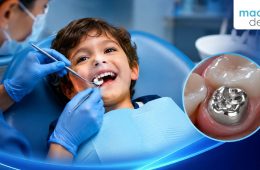
Imagine a crown in the shape of a tight construction cap that goes snugly over a rotten tooth. It covers the whole visible area, reforming the natural form of the tooth and making it firm enough to be able to bite and chew again on a daily basis.
Crowns are usually recommended when-
- A tooth is too far gone for a normal filling to fix
- A tooth has cracked, chipped, or broken
- Root canal treatment has left a tooth fragile and in need of support
- Years of grinding have worn a tooth down significantly
- A dental bridge needs an anchor point on either side
Most patients opt for porcelain or ceramic crowns- they look just like natural teeth and sit comfortably alongside the rest of your smile.
Tooth Crown Treatment in Macduff- The Step-by-Step Procedure
Understanding what actually happens during tooth crown treatment in Macduff makes the whole process far less intimidating. It normally takes two appointments from start to finish.
Step 1- Consultation & Assessment
The dentist examines the tooth, takes X-rays, and confirms a crown is the right call. This mirrors a standard Macduff Dental routine examination– a full oral health check before any treatment begins.
Step 2- Preparing the Tooth
Once the area is numbed with local anaesthetic, the tooth is carefully reshaped to create space for the crown. A mould is taken and sent to a dental lab.
Step 3- Temporary Crown
A temporary crown goes on while the permanent one is being made- keeping the tooth protected in the meantime.
Step 4- Fitting the Permanent Crown
When the crown is ready, the dentist checks the fit, colour, and bite before cementing it into place.
Step 5- Follow-Up
A brief follow-up may be scheduled to confirm everything has settled properly and feels right when you chew.
How Much Does a Tooth Crown Cost in Macduff?
Cost depends on the material, the complexity of the case, and whether treatment is NHS or private. Porcelain and ceramic crowns sit at the higher end of the price range- the craftsmanship and aesthetic work involved justifies the difference.
Patients often ask about related treatments at the same time.How much do white fillings cost in Macduff?” is a question that regularly comes up alongside crown enquiries. The two are priced quite differently, and the practice will give you a clear breakdown based on your specific needs.
NHS patients may qualify for crown treatment at a reduced band charge, subject to clinical need.
Crown Aftercare- Looking After Your Restoration
A crown that is properly cared for can last 10 to 15 years- sometimes well beyond that. The effort you put in during those first few weeks after fitting really does make a difference down the line.
Day-to-day aftercare is fairly simple-
- Brush twice daily with fluoride toothpaste, paying close attention to the gumline around the crown
- Floss gently around the crowned tooth- plaque loves to hide at the margin
- Avoid hard or very sticky foods in the early weeks
- Keep up with regular check-ups so the crown gets checked over time
- Use a nightguard if teeth grinding is an issue for you
Some sensitivity after the procedure is perfectly normal and settles down quickly. If discomfort lingers or the crown feels loose at any point, get it looked at sooner rather than later.
Macduff Dental Routine Examination- Keeping an Eye on Things
Fitting a crown is not a one-and-done situation. Regular check-ups are what keep it performing well for years. During a Macduff Dental routine examination, the dentist will-
- Check the crown’s condition and make sure it is still sitting correctly
- Look for any early signs of decay or gum changes at the crown edge
- Offer guidance on keeping the restoration clean and the surrounding tissue healthy
How Often Do I Need a Dental Check-Up?
For most adults, every six to twelve months works well. If your dental history is more involved, your dentist may recommend coming in a little more frequently- they will tell you what makes sense for you personally.
The Value of a Hygienist Dental Appointment
A hygienist dental appointment is one of those things that is easy to skip but genuinely worth keeping. Your hygienist will-
- Clear away tartar build-up that brushing alone cannot remove
- Show you how to clean effectively around the crown and between teeth
- Flag any early gum concerns before they turn into something more involved
For anyone with a crown, these visits are not just routine- they actively protect the work that has already been done.
Final Words
One of the surest methods of restoring a damaged tooth so it continues to function for several years to come is through tooth crown treatment. Having the knowledge of how it works, what to expect in terms of costs, and being able to go through with doing the proper aftercare makes you squarely in control of the outcome. Tooth crown treatment in Macduff is a long-term investment, but by incorporating routine Macduff Dental check-ups and visits to the hygienist in your routine, it will be well worth the money.
To find out if a crown is the right option for you, contact Macduff Dental and book a consultation with one of their dental professionals.
FAQs
How long does tooth crown treatment in Macduff take?
Two appointments are usually needed- one for preparation and impressions, one for fitting. Each visit typically runs between 45 and 90 minutes.
Is the procedure painful?
Local anaesthetic is used throughout, so you should not feel pain during treatment. Mild sensitivity afterwards is common and usually clears up within a few days.
How long does a crown last?
Most crowns last 10 to 15 years with good care. Material choice, oral hygiene, and habits like teeth grinding all affect lifespan.
Can a crowned tooth still decay?
The crown itself will not decay, but the tooth underneath can. Plaque at the crown margin is the main culprit, which is why brushing, flossing, and check-ups remain important even after treatment.
Is a hygienist appointment necessary after getting a crown?
Yes- strongly recommended. Hygiene visits protect the gum tissue and tooth structure around the crown, helping the restoration last as long as possible.