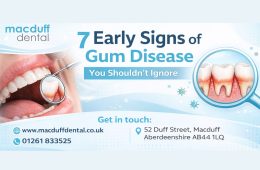
You wake up, brush your teeth, spit into the sink- and notice a faint red tinge. Or maybe by evening, your teeth feel coated in some strange film you can’t quite shake. Easy to brush off, right? Most people do exactly that. But those little moments? Your mouth is trying to tell you something.
Healthy gums grip the base of your teeth firmly. The moment bacteria start accumulating, that changes- slowly and quietly, until it isn’t quiet anymore. At Macduff Dental, we’ve lost count of how many patients come in only after the pain becomes unbearable. The truth is, catching gum trouble early saves you money, time, and a whole lot of discomfort. So here are seven signs worth paying attention to before things get worse.
Why Early Detection Actually Matters
Think of your mouth like a car engine. Run it without maintenance long enough, and things start breaking down in ways that can’t easily be fixed. Your gums are the foundation everything else sits on- teeth, bone, the works.
Gum disease almost always starts as gingivitis, which is mild and completely reversible with the right care. Let it go long enough, and it becomes periodontitis- a stage where the bone supporting your teeth actually starts to deteriorate. There’s no reversing that. Catching it early is the difference between a cleaning appointment and losing teeth.
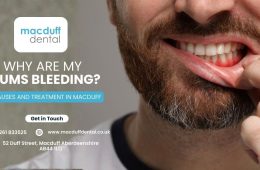
1. Your Gums Bleed When You Brush or Floss
This one surprises people, but healthy gums simply don’t bleed. Picture washing your hands and having them bleed every single time. You’d see a doctor the same day. Your gums deserve that same response.
Bleeding usually comes down to plaque- a sticky bacterial film that clings to the gum line and irritates the surrounding tissue. The fix starts with understanding what’s causing it and adjusting how you clean your teeth.
One thing worth noting- brushing harder doesn’t help. It makes things worse. Use a soft-bristled brush and small circular strokes, not aggressive scrubbing.
2. Bad Breath That Hangs Around All Day
Morning breath is normal- a quick brush sorts it out. But if your breath stays stale no matter what you do, that’s a different conversation.
Gum problems create pockets beneath the gum line where bacteria hide and multiply. Those bacteria release gases that cause persistent bad breath. Mints and rinses mask it for an hour or two, but they don’t touch the actual source. The only real fix is getting rid of the bacteria itself.
3. Gums That Look Red, Puffy, or Feel Sore
Take thirty seconds and look at your gums in a mirror. Healthy gums are light pink and firm. Unhealthy gums appear to be angry- dark red, swollen and painful to touch.
That swelling is your immune system responding to infection. It is the bacteria in the plaque that cause an inflammatory response, and the puffiness and soreness that you experience is your body retaliating. It is an indicator that the fight is already on.
4. Your Teeth Look Longer Than They Used To
If you’ve noticed your teeth appearing longer recently, it’s not your imagination- your gums are pulling back.
When gum tissue becomes infected, it begins receding away from the tooth as a kind of protective response. This creates deeper pockets along the tooth’s base, giving bacteria even more places to settle in. It also exposes the root of the tooth, which has no enamel coating and is extremely sensitive as a result.
5. Sudden Sensitivity to Hot or Cold
Hot coffee makes you flinch. Ice cream is no longer a pleasure. If temperature sensitivity comes on suddenly, pay attention.
Once your gums recede, the root surface is exposed. Unlike the crown of your tooth, roots have no protective enamel- so heat and cold hit them directly. This kind of sensitivity is often one of the first noticeable discomforts people actually connect to a gum problem, even if the other signs were already there.
6. Teeth That Feel Loose or Your Bite Feels Different
Adult teeth shouldn’t move. Full stop. If you notice any wobbling or if the way your teeth meet when you bite down has shifted, that’s a serious warning.
At this stage, the infection has started breaking down the jawbone that keeps your teeth anchored. As the bone goes, the teeth lose their stability. This doesn’t happen overnight, but by the time you notice it, significant damage has already been done.
7. Pus Around Your Gums
If pressing on your gums produces any pus, call a dentist today- not next week.
Pus means an active bacterial infection that your body is struggling to contain. It’s well past the early warning stage at this point, but it’s still something that can be treated. Ignoring it is not an option if keeping your teeth matters to you.
What to Do If You’re Seeing These Signs
Don’t spiral, but don’t wait either. These symptoms don’t resolve on their own- they tend to get worse with time.
Start by booking a professional clean. A hygienist can remove the hardened tartar that’s driving the infection. No amount of home brushing removes that once it’s set. After your appointment, build a daily routine that actually works-
- Brush twice a day using a soft brush and circular motion
- Floss every night- the spaces between teeth are where most trouble starts
- Drink water throughout the day to rinse away food and bacteria
Prevention Is Simpler Than Treatment
The habits that stop gum disease from developing in the first place aren’t complicated. They’re just consistent.
When it comes to toothpaste, any fluoride-based option focused on plaque control will do the job. You don’t need anything fancy- just something you’ll actually use twice a day. Adding a quality antibacterial mouthwash into your routine after brushing takes it one step further. The right rinse targets the specific bacteria that trigger early gingivitis and keeps levels low between cleans.
Key Takeaways
- Pink in the sink after brushing is not normal- act on it
- Bleeding, swelling, bad breath, and sensitivity are all connected and all treatable when caught early
- Home care matters, but professional cleanings are non-negotiable
- The longer you leave gum problems, the harder they are to fix
FAQs
What are the first signs I should look for?
Slight bleeding when brushing and gums that look redder than usual are typically the earliest indicators. At this stage, the problem is almost always fixable with clean and better home habits.
What can I do at home?
Brush gently twice a day, floss every night, and use an antibacterial rinse. That combination handles daily bacteria well. You’ll still need professional cleanings to remove what builds up regardless.
Can this actually cause tooth loss?
Yes. Untreated gum disease destroys the bone that holds your teeth in place. It’s one of the leading causes of adult tooth loss. Early treatment prevents that outcome completely.
Come and See Us
Your gums give quiet warnings before things get loud. Listen to these seven early signs of gum disease, and you protect your smile plus your daily comfort.
At Macduff Dental, we keep catching and fixing these issues easily and with ease. Our team gives gentle cleanings, straight advice, and simple tools to keep your gums strong. Whether you want a check-up or targeted hygiene dentist near me help, we’ve got you.
Ready to look after your gums properly? Drop us a line and book your spot today.A healthier smile sits just one call away- your mouth will thank you.